Are You Still Using Plastic Badge Holders at ESG Events? Reasons to Switch to Paper Badges
Plastic badge holders at ESG/environmental conferences are a contradiction. Solve everything from badge to ring in 100% paper with Pepae badges, including post-event waste sorting.
The Moment a Badge Becomes a ‘Small Contradiction’ at an ESG Event
ESG, carbon neutrality, circular economy.
These are the words heard most often at ESG conferences and climate-related seminars.
On stage, they talk about reducing plastic — while at the registration desk, transparent vinyl badge holders are being handed out. Have you ever stopped to think about how awkward that combination looks?
Attendees react more sensitively than you might expect. Especially at events themed around the environment and sustainability, every aspect of how the event is run either reinforces or dilutes the event’s message.
A badge is the item that stays attached to an attendee’s body the longest and the closest, of all such items. That is precisely why it can become an even more noticeable contradiction.
What Happens to Plastic Badge Holders After the Event?
Think about the typical badge components provided at event registration.
| Component | Material | Post-Event Disposal |
|---|---|---|
| Badge case (cover) | PVC or PP plastic | Mostly discarded as general waste |
| Badge insert (paper) | Paper | Recyclable as paper only after removing from case |
| Neck strap | Polyester | General waste or incineration |
| Connecting ring | Metal or plastic | Difficult to sort for recycling |
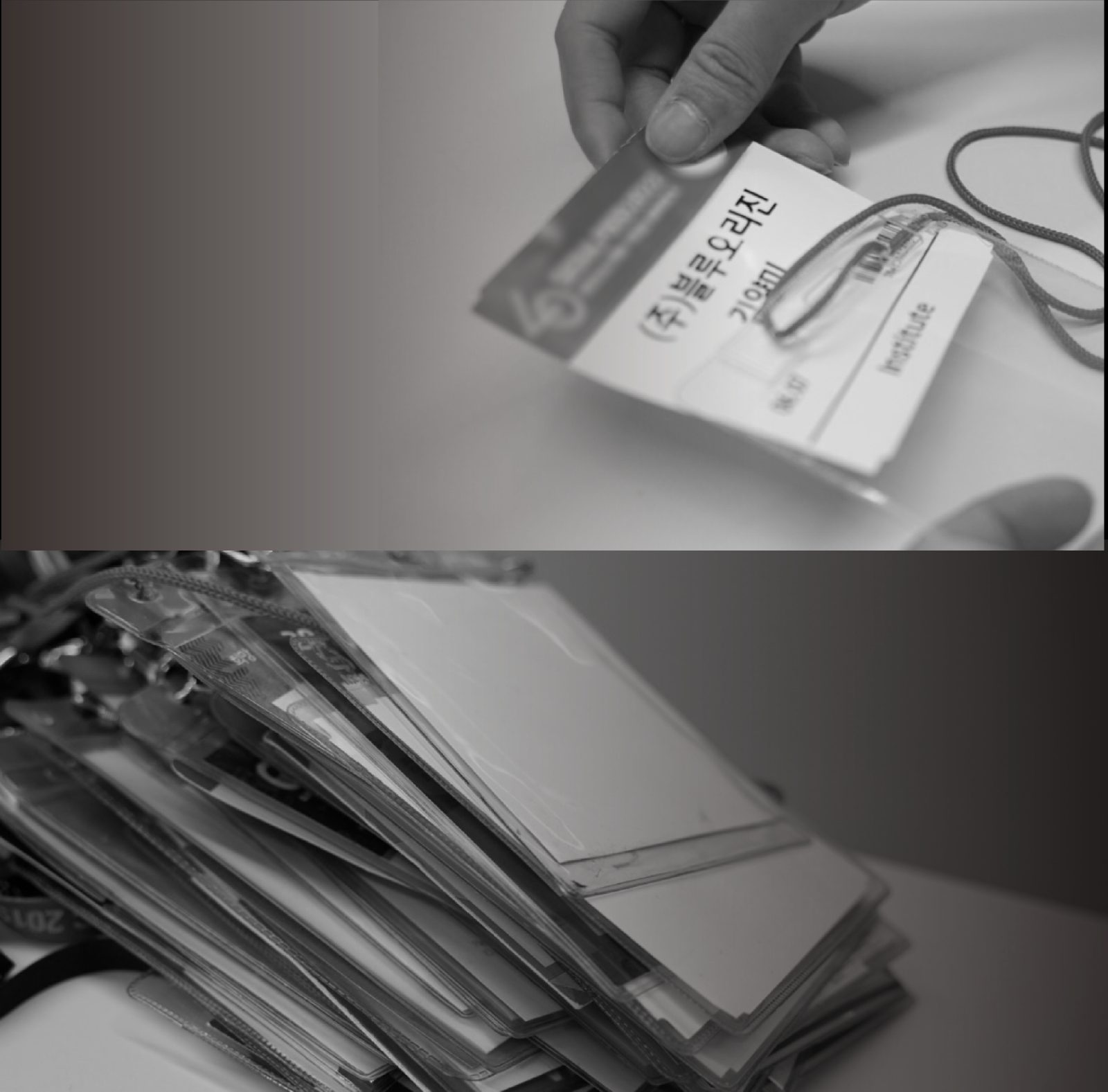
The problem is that all of these components must be separated after the event is over.
Hundreds of badges collected on-site must be torn apart one by one, the paper removed, the cases sorted separately, and the straps processed yet again. In practice, there are not many event managers who carry out this process meticulously. In the end, most plastic badge holders end up bagged and discarded together with the paper inserts.
ESG-professing events using hundreds of plastic cases once and throwing them away — this is the reality of the industry right now.
How Pepae Badges Differ from Other Paper Badges — The Ring Is Paper Too
The natural question is: “Can’t we just use paper badges?” That’s correct. But there is an important detail here.
Even products commonly called “paper badges” mostly still have plastic rings at the part that connects to the badge lanyard. Because the structure involves inserting a paper insert into a plastic ring, the separate waste disposal problem still remains.
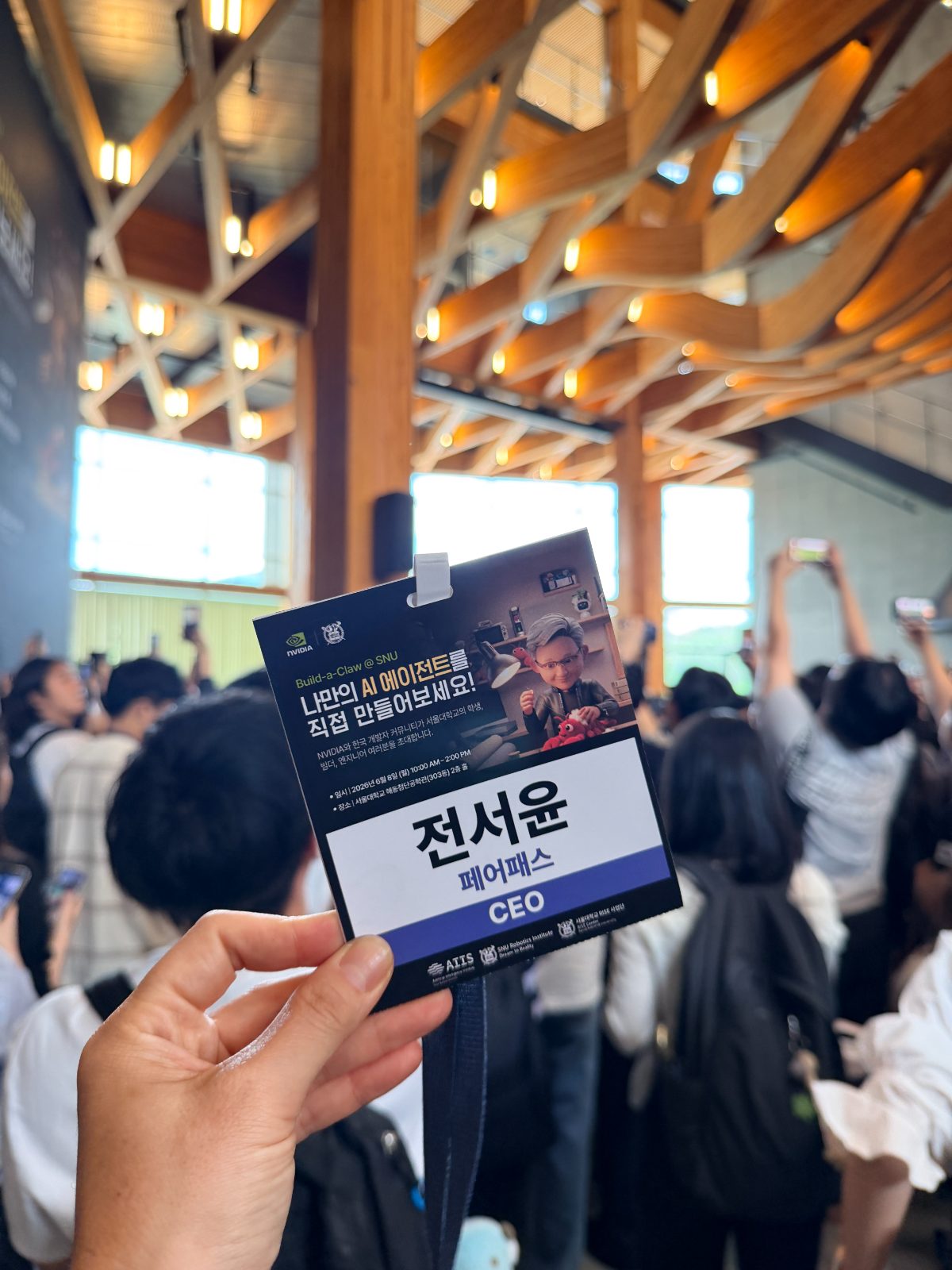
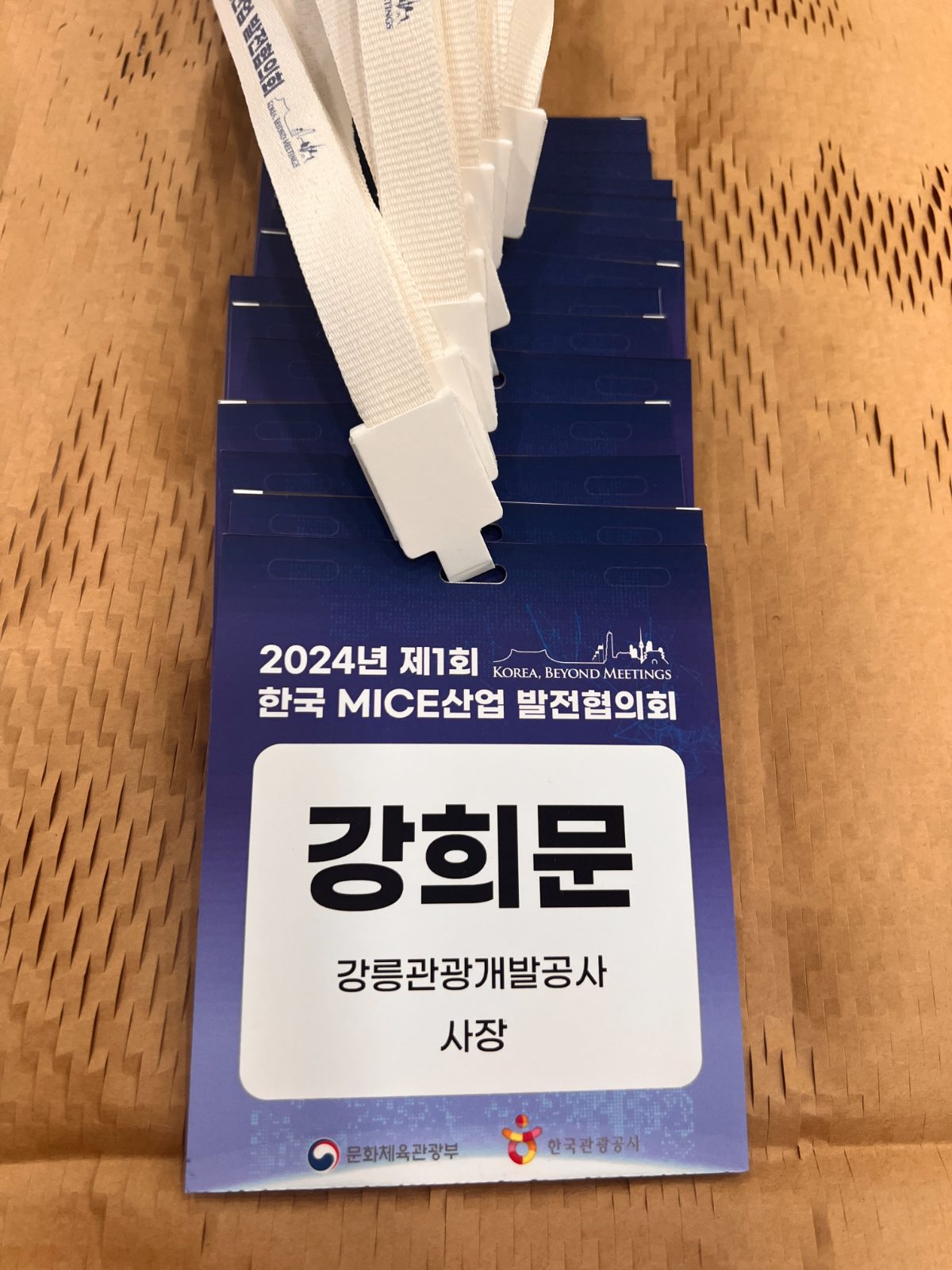
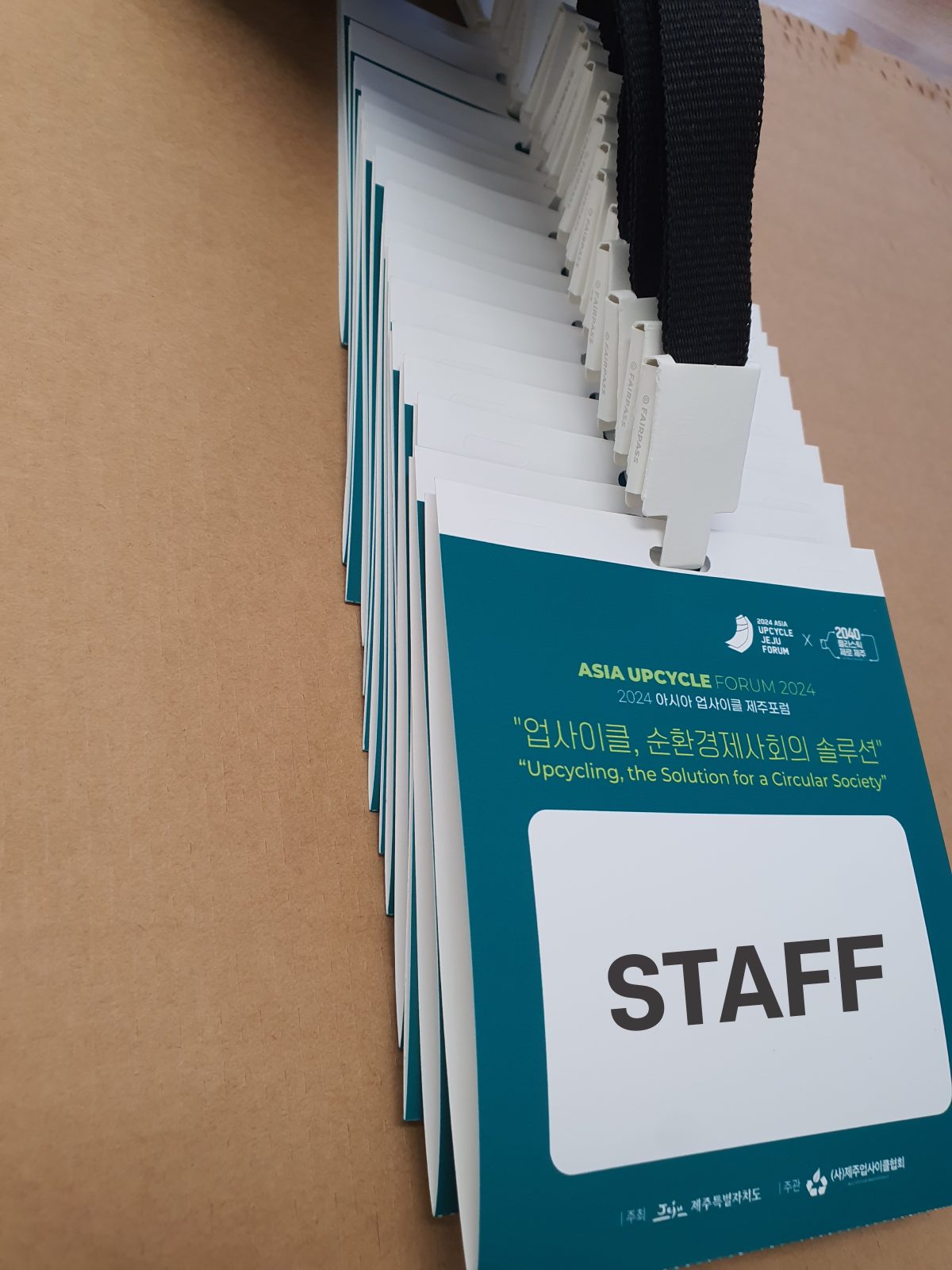
FAIRPASS’s eco-friendly badge, Pepae Badge, is different.
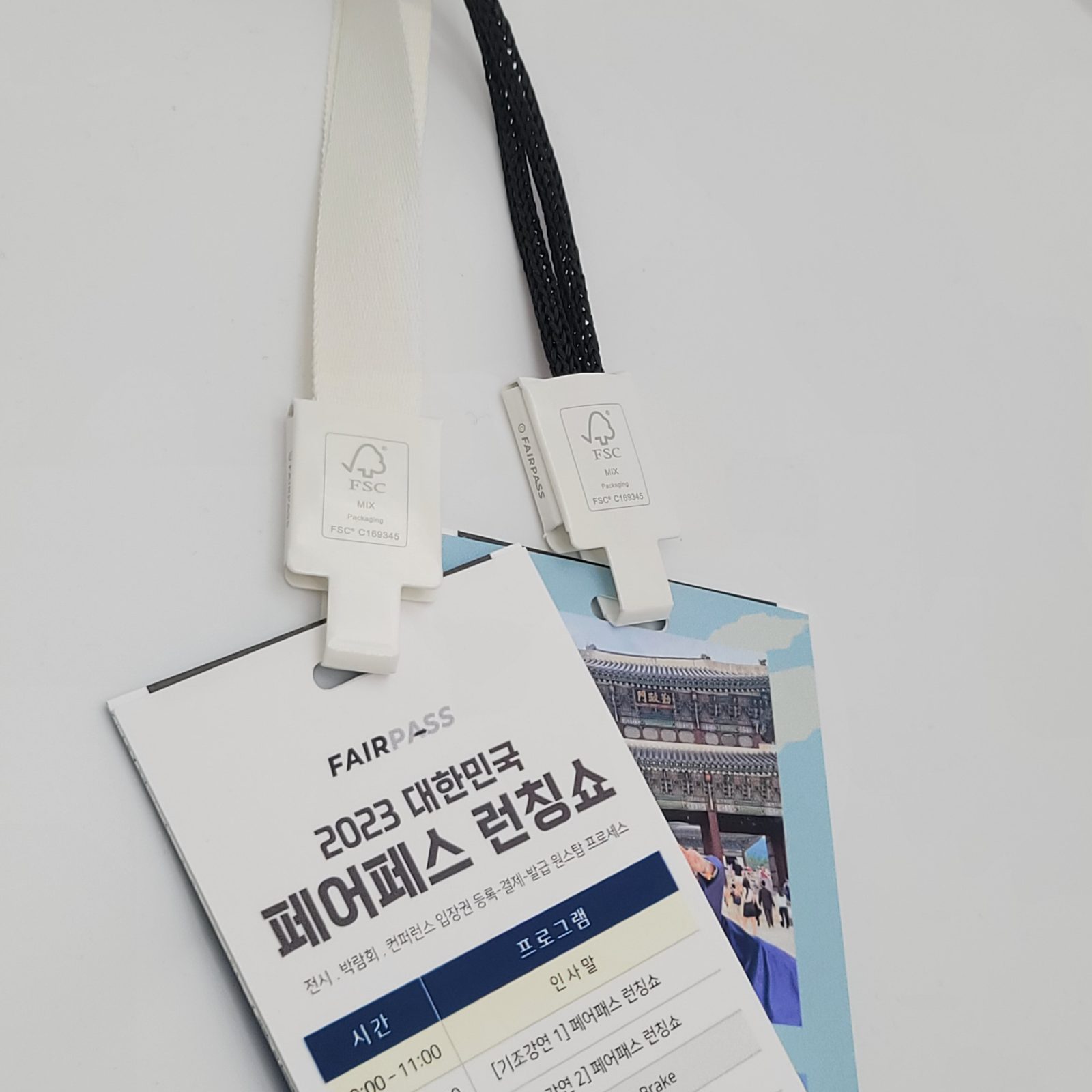
- ✅ Badge body: 100% paper material
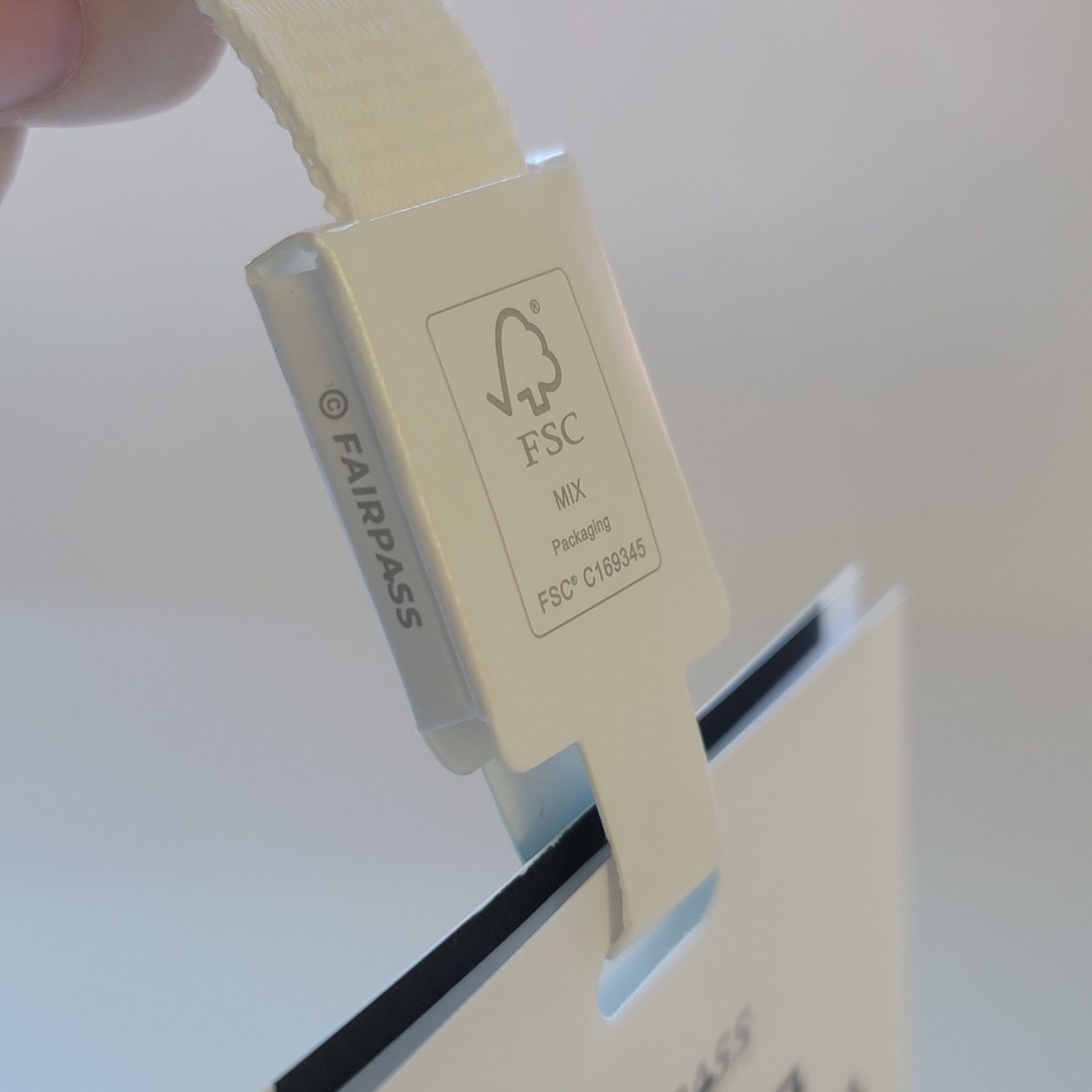
- ✅ Connecting ring: Can be made from paper material (patent applied)
- ✅ No vinyl or plastic cover: The badge itself is a complete form without a separate case
- ✅ Post-event disposal: Entire badge sorted as paper recycling, no separate disassembly needed
- ✅ Plastic ring option: Available for selection when greater durability is required
The core technology for which Pepae Badge received a patent is precisely this ‘paper ring’. By replacing the only part of a badge that had remained plastic with paper, a truly 100% paper badge has become possible.
Can a Paper Ring Really Hold Up for an Entire Day?
This is the question we receive most often. It is a natural concern from the perspective of an event manager. If a badge ring breaks or tears on-site, that becomes an even greater embarrassment.
To give the conclusion first — it holds up. However, there are conditions.
Pepae Paper Ring Durability Conditions
| Condition | Suitability |
|---|---|
| Indoor events (conferences, seminars, exhibitions) | ✅ Suitable |
| Full-day wear (8–10 hours) | ✅ Suitable |
| Outdoor events, environments with possibility of rainfall | ⚠️ Plastic ring option recommended |
| Events involving vigorous physical activity | ⚠️ Plastic ring option recommended |
| Multi-day repeated wear (2 days or more) | ⚠️ Plastic ring recommended depending on situation |
Pepae Badge’s paper ring delivers sufficient durability at same-day, primarily indoor events such as general B2B conferences, corporate events, academic conferences, and exhibitions.
And if durability takes priority over environmental considerations in a given situation, the option to switch to a plastic ring is also available. Rather than insisting on 100% eco-friendliness, providing flexible options suited to each situation is the FAIRPASS way.
Which Events Are the Best Fit for Pepae Badges?
The types of events for which Pepae Badges are particularly effective are as follows.
✔ If your event is like this, we strongly recommend Pepae Badges
- ESG and environmental conferences: When the event’s message and its operational approach must align
- Climate and carbon neutrality seminars: The more an event ‘demonstrates’ eco-friendly practice, the more the details matter
- Events organized by public institutions and government bodies: Operational approach that puts sustainability policy into practice is needed
- University and academic conferences: When researcher and student attendees have high environmental awareness
- Global international meetings: When ESG operations meeting international standards such as APEC, ADB, UNWTO are required
- Internal corporate events: When you want to demonstrate ESG culture in practice to employees
Conversely, for outdoor festivals, events with repeated multiple entries and exits, and events with a high likelihood of rain, it is advisable to review these together with the plastic ring option from a durability standpoint.
What Changes When Pepae Badges Are Introduced
| Item | Existing Plastic Badge | Pepae Badge |
|---|---|---|
| Plastic use | Case + ring | None (when paper ring is selected) |
| Post-event waste sorting | Case and paper must be separated | Entire badge sorted as paper recycling |
| Operational convenience | Inserting and retrieving inserts is cumbersome | Paper recycling immediately after collection |
| ESG message consistency | Low | High |
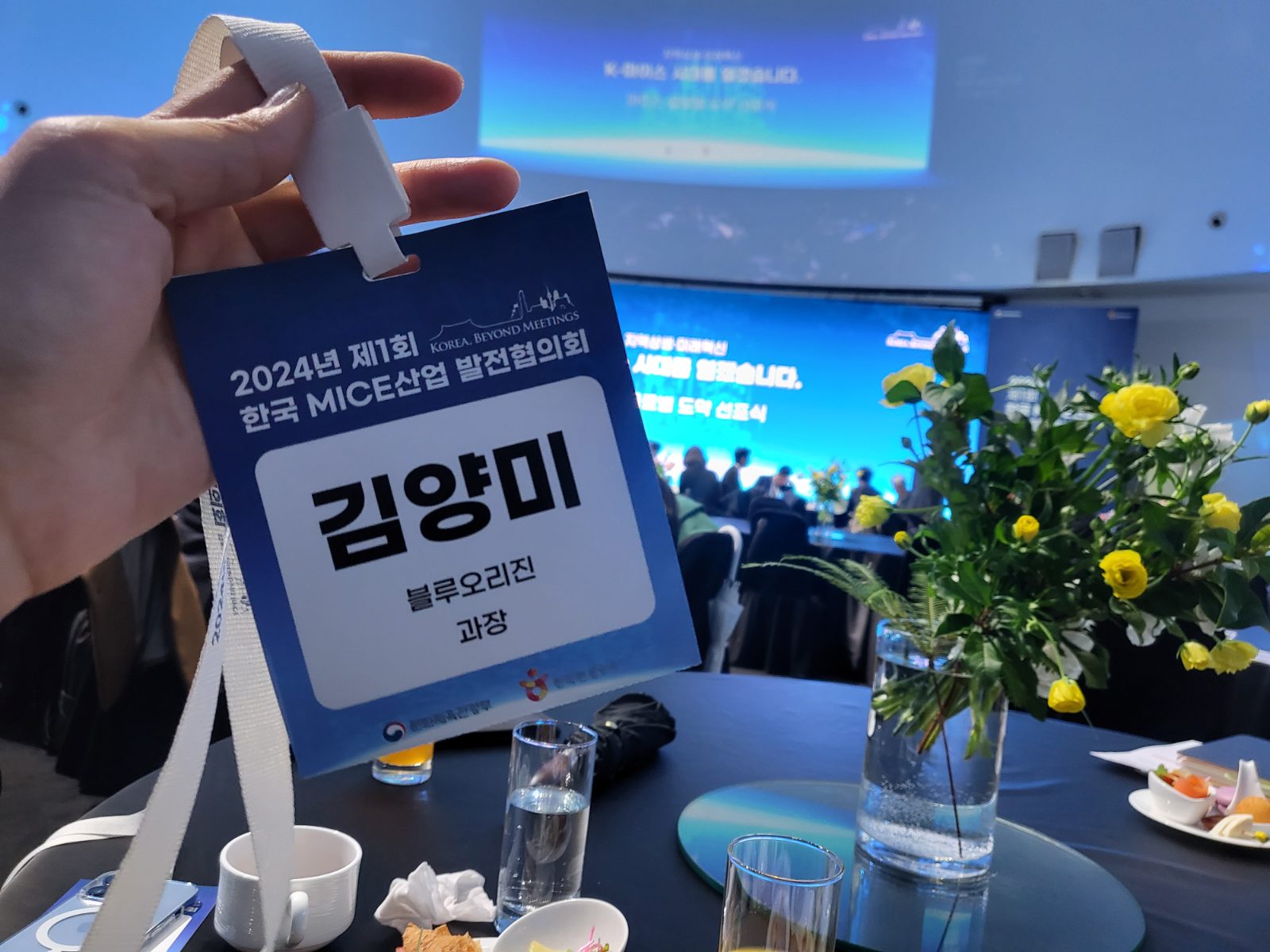
| Attendee perception | Ordinary | Perceived as reflecting the event’s philosophy |
FAQ: Frequently Asked Questions Before Introducing Pepae Badges
Q. Isn’t the print quality of Pepae Badges lower than that of regular badges?
No. Pepae Badges support high-resolution printing, and logos, QR codes, attendee information, and more can be printed clearly. When linked with the FAIRPASS platform, it is also possible to automatically print personalized badges based on registration data.
Q. Can Pepae Badges be used at large-scale events?
Yes, they can. Pepae Badges have been used in cases ranging from small seminars to international conferences with thousands of attendees. When combined with FAIRPASS’s unmanned check-in kiosks, an on-site real-time badge printing and issuance operation is also possible.
Q. Can event branding design be applied to the badges?
Yes. Event logos, theme colors, sponsor information, session color-coding, and more can be reflected in the badge design. Design customization is carried out through prior consultation with a FAIRPASS representative.
With FAIRPASS, the Message of Your ESG Event Extends All the Way to the Badge
An event’s philosophy is not conveyed through lecture content alone. The badge an attendee hangs around their neck, the program book they hold in their hand, the chair they sit in — all of these together compose the event’s message.
Eliminating plastic badge holders may seem like a small change. But when hundreds of attendees wear them all day long, and hundreds of them end up in the trash after the event, the story is different. That change is larger than you might think.
FAIRPASS’s Pepae Badge is not simply an eco-friendly product. Within the FAIRPASS operations system — which connects online pre-registration, on-site QR check-in, and unmanned badge printing — the badge is connected to data, and at the same time, connected to the environment as well.
If you are preparing for your next ESG event, climate conference, or public institution seminar — start by changing the badge.
👉 Inquire about Pepae Badges and FAIRPASS Event Operations Solutions
Frequently Asked Questions
Q. Can the ring part of a paper badge also be made from paper? Is the durability acceptable?
Yes, Pepae Badges can be made with paper not only for the badge body but also for the ring part that connects to the badge lanyard.
They have sufficient durability to withstand a full day of wear without breaking or becoming crumpled. However, for outdoor events or cases where extended wear is a concern, a plastic ring option can also be selected, allowing flexible application suited to the nature of the event.
Q. What is the greatest practical advantage of introducing eco-friendly badges at an ESG event?
The greatest practical advantage is that the disposal process after the event ends is drastically simplified.
With conventional plastic badge holders, the person in charge must remove the printed paper insert from each cover one by one and sort them for recycling, which is cumbersome.
Since the entire Pepae Badge is made of paper, it can be disposed of directly as paper waste without any separate sorting work. At ESG events, environmental seminars, and public institution events, it is possible to simultaneously convey actual operational convenience and an eco-friendly message.
Q. Which types of events are especially suitable for using paper badges instead of plastic badge holders?
Paper badges, and Pepae Badges in particular, are best suited for events where eco-friendly messaging is directly tied to the event’s identity, such as ESG management declaration events, climate and carbon neutrality conferences, seminars organized by the Ministry of Environment or public institutions, university academic conferences, and sustainability forums.
From the badge an attendee receives at the venue entrance, both brand consistency and ESG practice can be demonstrated simultaneously, making it effective for proving the hosting organization’s environmental commitment through concrete action.
📬 Contact Us
FAIRPASS is ready to support your next event, whenever you need us.
fairpass@fairpass.world
Changing one badge can simultaneously elevate operational efficiency, environmental responsibility, and brand value.
Ready to streamline your next event?
Get a free consultation — no commitment required.
Get a free quote →